Menopause
Menopause marks a significant turning point in a woman’s life. It brings a variety of symptoms that can range from mild to intense. Acupuncture for menopause offers a natural and effective way to manage these changes.
Or Call Us Now on:
07810 770347
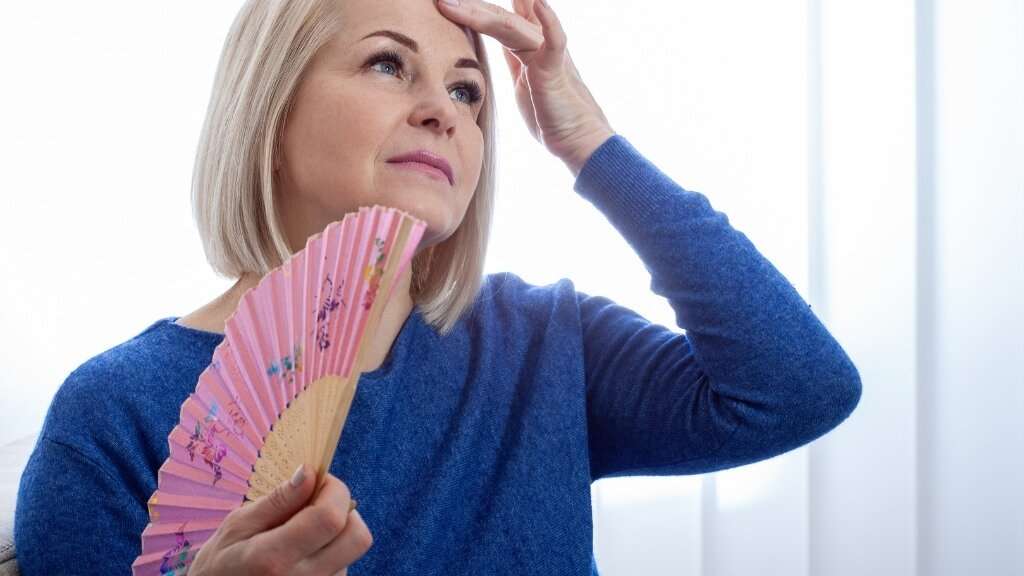
Menopause is defined as the time when a woman has not had a menstrual period for 12 consecutive months. Declining levels of estrogen and progesterone cause many of the symptoms that accompany menopause.
Menopause usually occurs when a woman is in her late 40s to early 50s. Still, the age at which women experience menopause can vary. In the UK the average age of menopause is 51 years old.
The journey through menopause is as unique as the individual experiencing it. Hot flushes, mood swings, skin and hair changes and fatigue, mean the menopausal journey can be a rollercoaster of emotions and physical changes.
What Factors Influence Menopause Symptoms?
Several factors can influence the age at which menopause begins and its symptoms. By understanding these factors, a woman can more effectively prepare for and transition through this natural phase of life. Here are some factors that can contribute to menopause:
Genetics: Family history can strongly indicate when a woman will likely experience menopause. If your mother or sisters went through menopause early or late, you may follow a similar pattern.
Lifestyle Factors: Smoking, excessive alcohol consumption, a poor diet, and lack of exercise can all affect the severity of menopausal symptoms.
Reproductive Health: Women who have had certain gynaecological surgeries may experience menopause earlier than those who have not. Additionally, women who have never been pregnant may begin menopause at an earlier age.
Medical History: Certain medical conditions, such as thyroid disorders or autoimmune diseases, can affect hormone levels and influence the severity of menopausal symptoms.
Chemotherapy and Radiation Therapy: Certain cancer treatments can cause early or even temporary menopause.
Stress: Chronic stress can impact hormone regulation and worsen menopausal symptoms. Finding ways to manage stress, such as mindfulness techniques, can be beneficial during this time.
If you need further information, advice or reassurance, call the clinic on 07810 770347.
If you want to be seen straight away, book in online or call the number above if you prefer.
Learn more about our services here.
What Are The Common Symptoms of Menopause?
- Hot Flushes: Sudden feelings of warmth, flushing, and sweating, often accompanied by a rapid heartbeat.
- Night Sweats: Episodes of intense sweating during sleep that can disrupt rest and lead to discomfort.
- Mood Swings: Emotional fluctuations, including irritability, anxiety, and feelings of sadness or depression.
- Sleep Disturbances: Difficulty falling asleep, staying asleep, or experiencing restful sleep patterns.
- Irregular Periods: Changes in menstrual cycle length, flow, or frequency leading up to menopause.
- Joint Pain: Some women may experience increased joint pain or stiffness during menopause.
- Digestive Issues: Changes in digestion, such as bloating, gas, or indigestion.
- Hair Changes: Thinning hair or changes in hair texture and growth patterns may be noticed.
- Memory Problems: Some women may experience mild memory lapses or cognitive changes.
- Skin Changes: Dry skin, acne flare-ups, or increased sensitivity can manifest themselves during menopause.
Things You Can Do To Manage Menopausal Symptoms
Regular Exercise: Physical activity can boost energy levels, improve mood, and promote better sleep.
Healthy Diet: Eating a balanced diet rich in nutrients can support your overall health and energy levels during menopause. It may be best to avoid spicy foods, caffeine and alcohol, as these are potential triggers for hot flushes.
Stress Management: Incorporate stress-reducing practices such as mindfulness or deep breathing exercises to help manage emotional symptoms and fatigue.
Prioritise Quality Sleep: A relaxing bedtime routine and a comfortable bedroom environment can improve sleep quality and alleviate sleep issues like insomnia or night sweats.
Lighter Clothing: Wearing breathable and light fabrics can be beneficial when dealing with hot flushes and night sweats.
How Acupuncture Help Reduce Menopause Symptoms
Acupuncture for menopause offers a natural and holistic approach to managing symptoms without the need for medication or hormone replacement therapy.
For menopausal women, acupuncture treatments can be used to help regulate hormonal imbalances, reduce hot flushes, alleviate night sweats, improve mood swings, and promote better sleep. Clinical studies into acupuncture and menopause studies also support these results – see here.
By targeting key points related to the reproductive system and hormonal regulation, acupuncture can help restore balance and reduce the severity of menopausal symptoms.
Are you tired of hot flashes, mood swings, and restless nights? It’s time to say goodbye to these troubles and welcome balance and rejuvenation into your life. Schedule your appointment now to take the first step towards a smoother menopausal journey.
Get Your Consultation & First Treatment for Just £65
We want to help you get your health back on track. Book your appointment now.
What Our Patients Have To Say
See what some of our clients have to say about our services!